
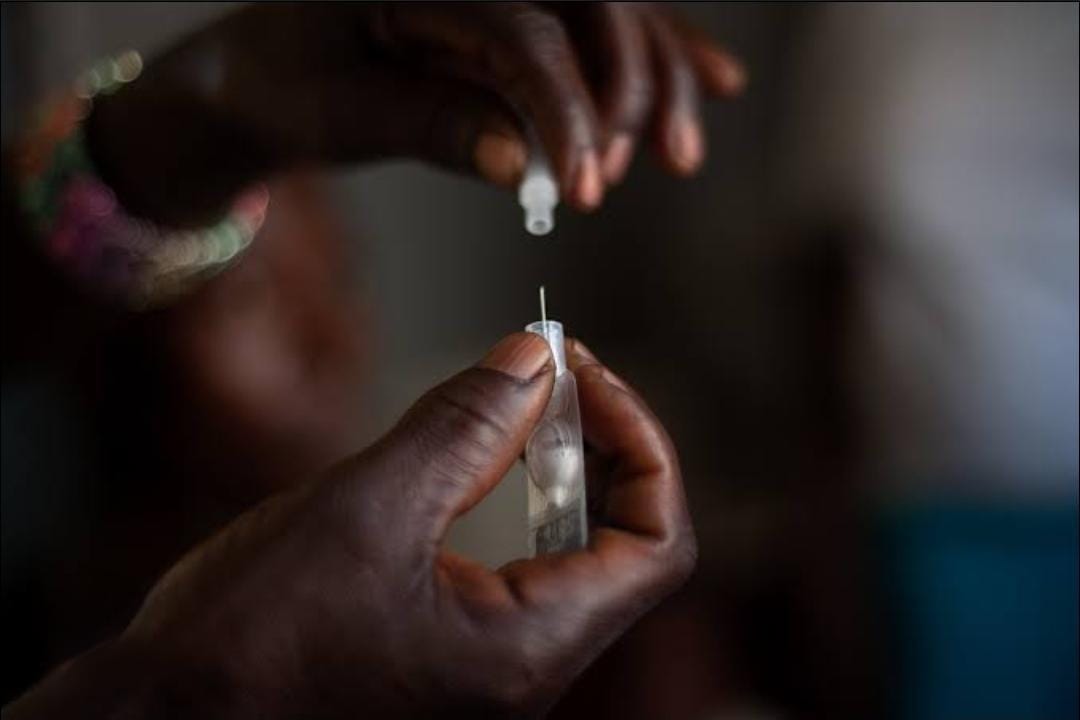
A new 12-month cohort study in Eastern and Northern Uganda has found that women who choose to self-inject a contraceptive called DMPA-SC experience a measurable increase in decision-making power over family planning, with the strongest effects observed within the first six months.
The study, titled Is choosing self-injectable contraception associated with enhanced contraceptive agency? Findings from a 12-month cohort study in Uganda, was published in the journal Contraception in January 2026.
It was conducted by researchers from the University of California, San Francisco, in collaboration with the Makerere University School of Public Health.
DMPA-SC is a three-month injectable contraceptive that women can administer themselves at home. The World Health Organization recognizes self-injection as an important self-care intervention, recommending it as part of strategies to increase access to contraception and strengthen reproductive autonomy.
The researchers aimed to determine whether allowing women to self-inject, rather than relying on a health worker, enhances what is called contraceptive agency — a woman’s ability to make informed decisions about preventing pregnancy and to act on those choices with confidence.
The study tracked 1,828 women aged 15 to 45 who had recently started a new contraceptive method. Of these, 216 chose self-injection, while the remainder opted for alternatives such as implants, intrauterine devices (IUDs), or provider-administered injections.
Changes in decision-making power were measured using the validated Agency in Contraceptive Decisions Scale.
At baseline, both groups recorded relatively high agency scores. After six months, however, women who chose self-injection showed a statistically significant increase in their sense of control and confidence.
On average, their scores rose by 0.10 points on a scale of 0 to 3 compared to women who selected other methods.
Those who self-injected reported greater understanding of reproductive rights and increased confidence in making contraceptive choices.
In practical terms, this suggests that women who administered their own injections felt more empowered and in control of their reproductive decisions, at least in the short term.
By the 12-month follow-up, the difference between the two groups had largely diminished. Researchers suggest that practical challenges, such as stock-outs of the contraceptive, limited privacy at home, and lack of partner support, may reduce the longer-term empowering effects of self-injection if broader systemic barriers are not addressed.
The study was conducted between 2022 and 2024 in the districts of Iganga, Mayuge, Kole, Lira, and Oyam. Ethical approval was obtained from the University of California, San Francisco, Makerere University, and the Uganda National Council for Science and Technology. Funding was provided by the Gates Foundation.
The researchers emphasise that self-injection is not intended to replace other contraceptive methods but should be offered as an additional option.
The findings indicate that choosing self-injection may provide unique empowerment benefits and should be made available alongside other family planning choices.
Uganda introduced DMPA-SC self-injection in 2017 as part of broader efforts to improve access to family planning services.
Since then, distribution at the community level has been expanded through Village Health Teams, according to the DMPA-SC Access Collaborative.
